Global, 2010
Design Strategy, Design for Manufacture, Product Management, Creative Direction
Ballara
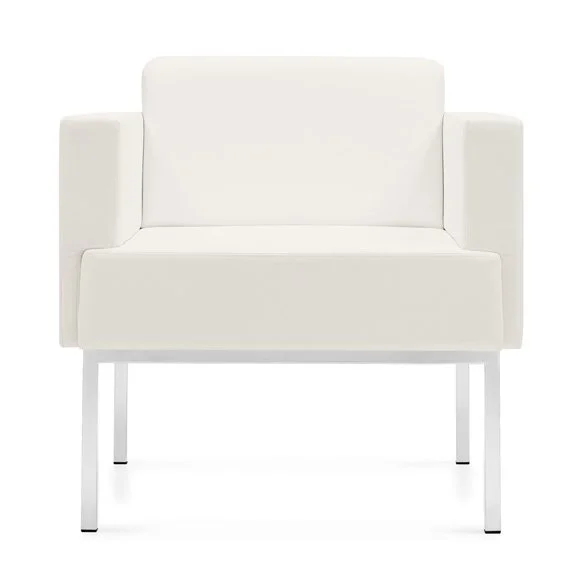
Overview
Global’s seating portfolio focused heavily on standalone lounge pieces for conventional waiting areas, some of which relied on a small group of highly skilled internal upholsterers.
Ballara was designed to diversify the Global portfolio and take better advantage of internal capabilities, ultimately creating a more scaleable product line. It responded to the emerging idea that lounge spaces were becoming important social and collaborative areas within office spaces. The design was developed with modular principles, integrating soft seating, storage, worksurfaces and power capabilities.

Universal Platform
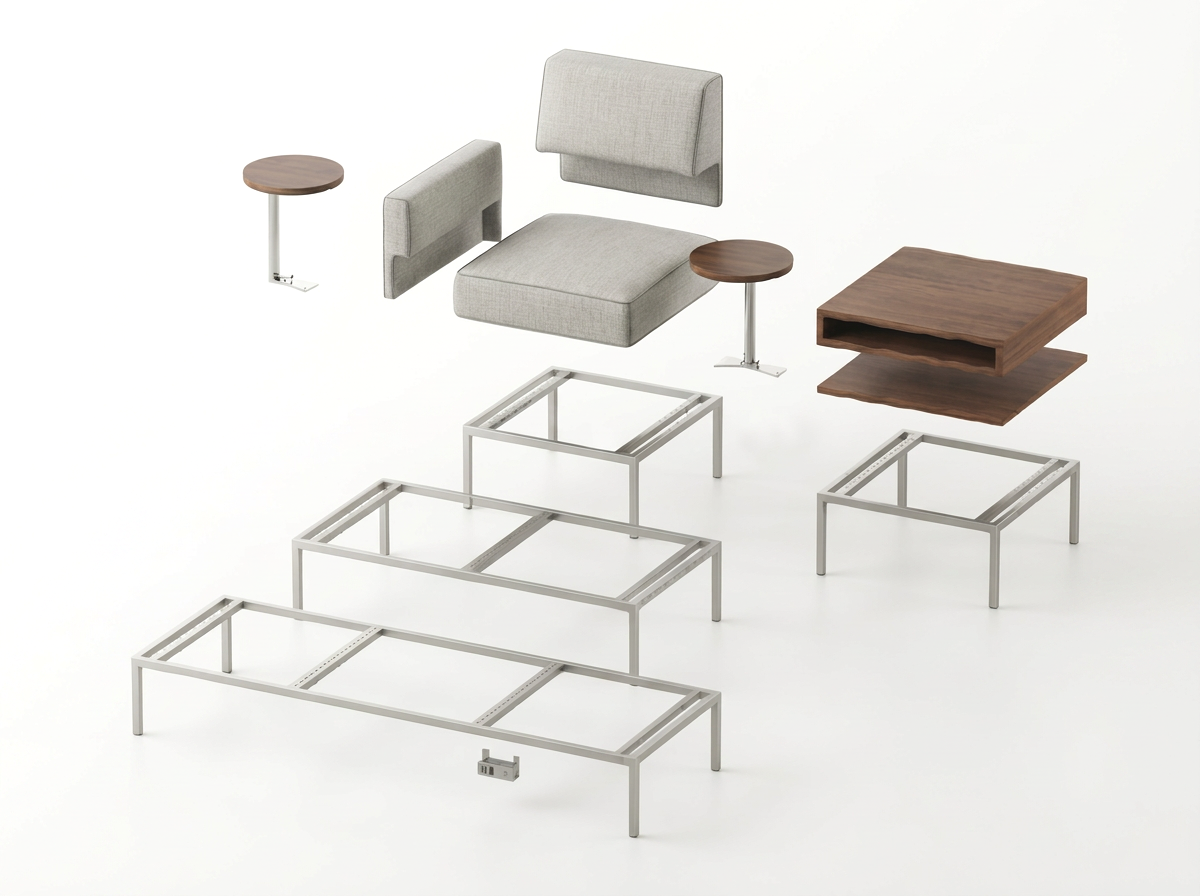
Ballara employes a universal structural steel foundation offered in three discrete sizes. The base is used to support both seating and table components, as well as accessories such as tablets and power modules. Multiple bases can be ganged together to form larger scale compositions and applications.
The upholstery components are separated into three discrete pieces; seat, back and arm. This allows for localized components to be replaced and reconfigured, while opening up the opportunity to upholster elements in different fabrics and finishes.
Multi Sector Appeal
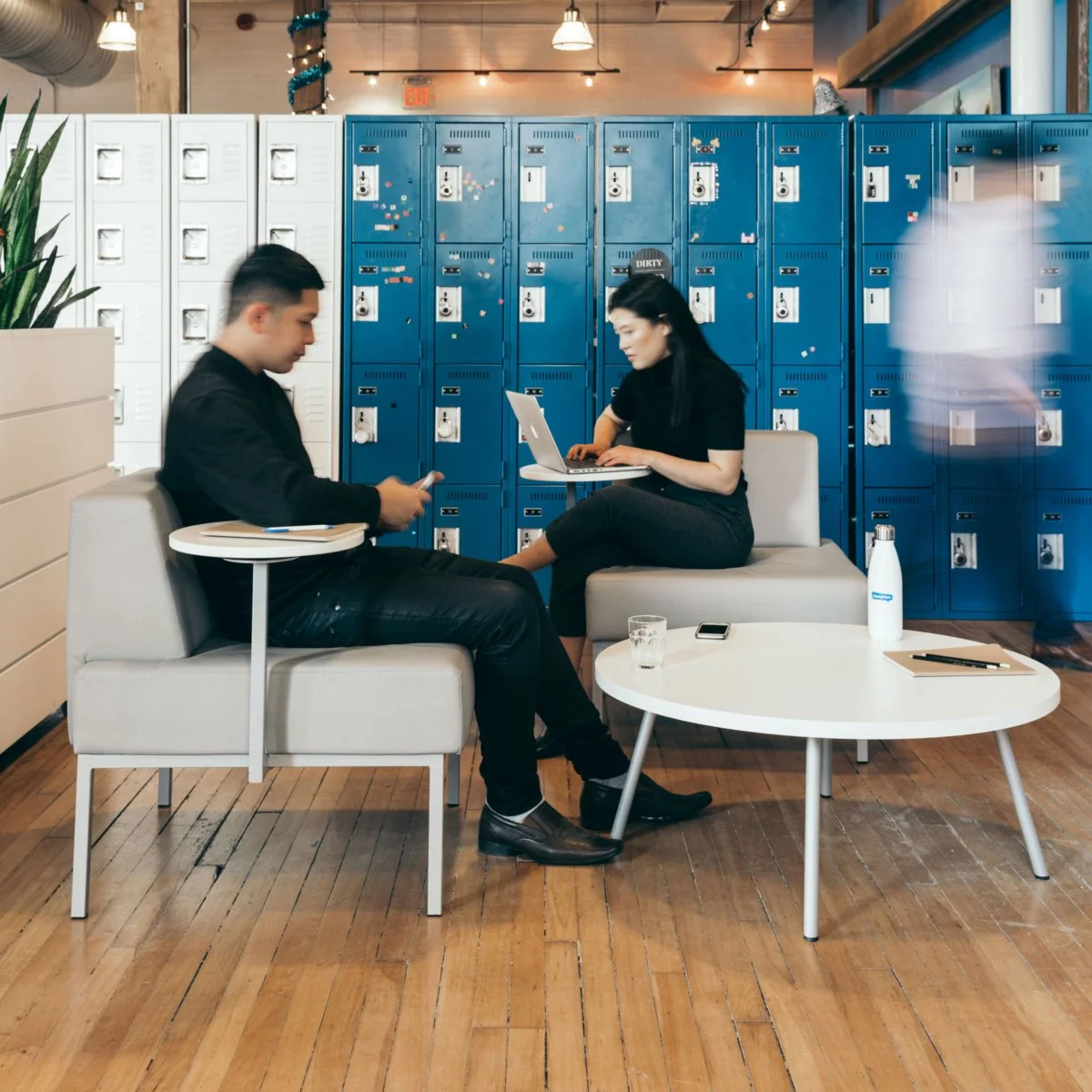
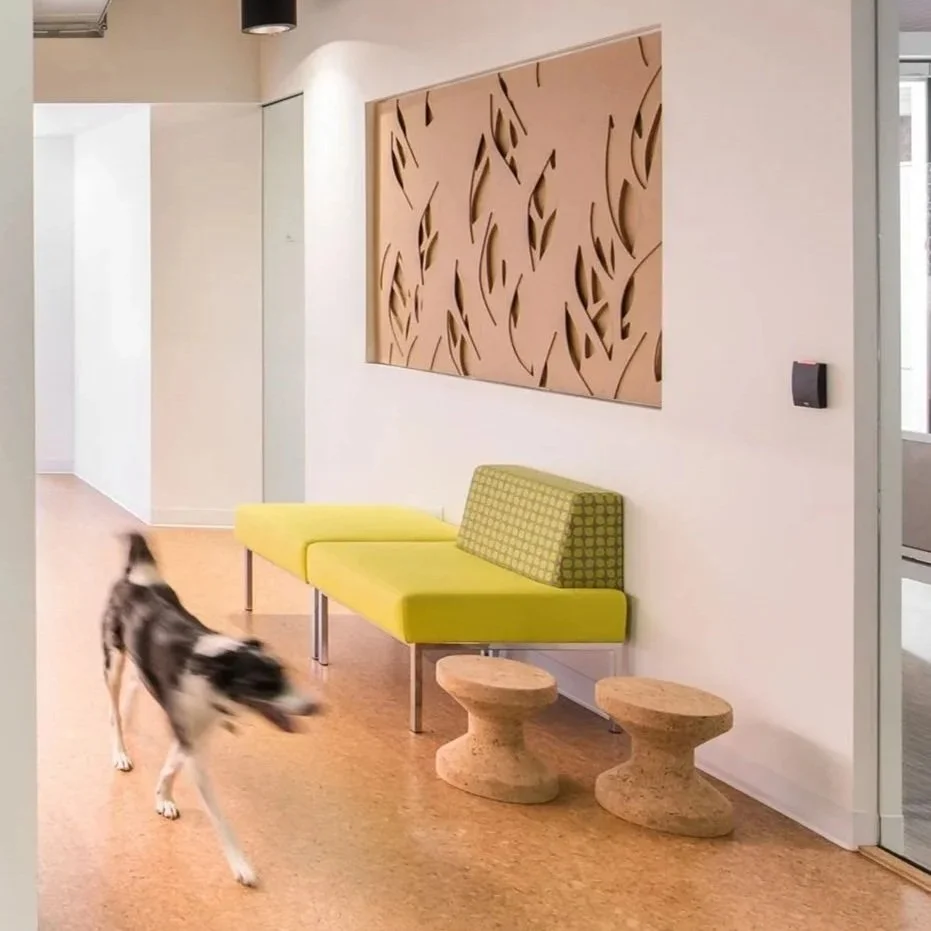
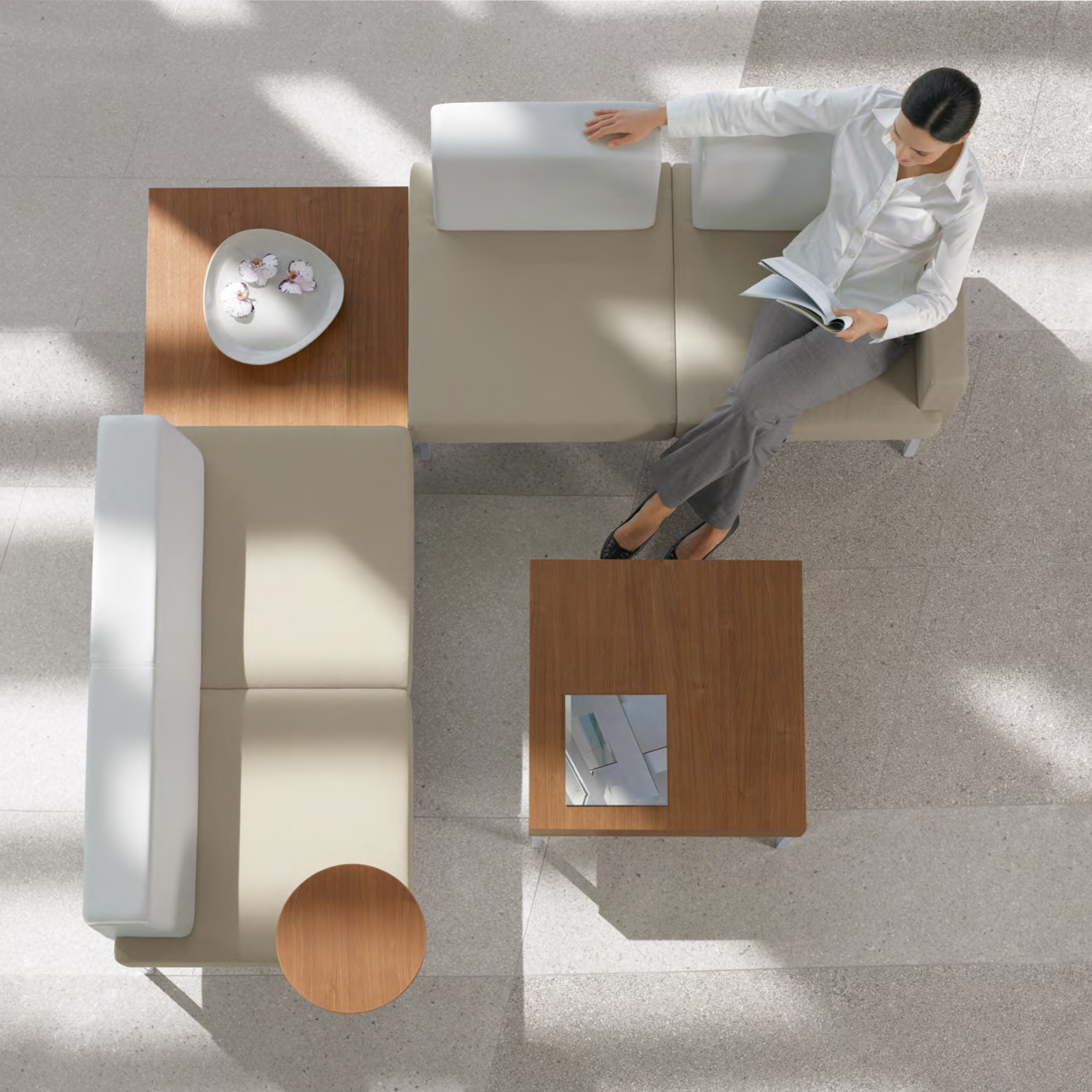
Ballara seating was strategically designed to bridge the gap between relaxed lounge comfort and active workplace functionality. This ergonomic consideration along with its modular architecture and low maintenance form allows the product line to work in different sectors and applications, including corporate reception, healthcare environments and universities
Clean Details, Simplified Manufacturing
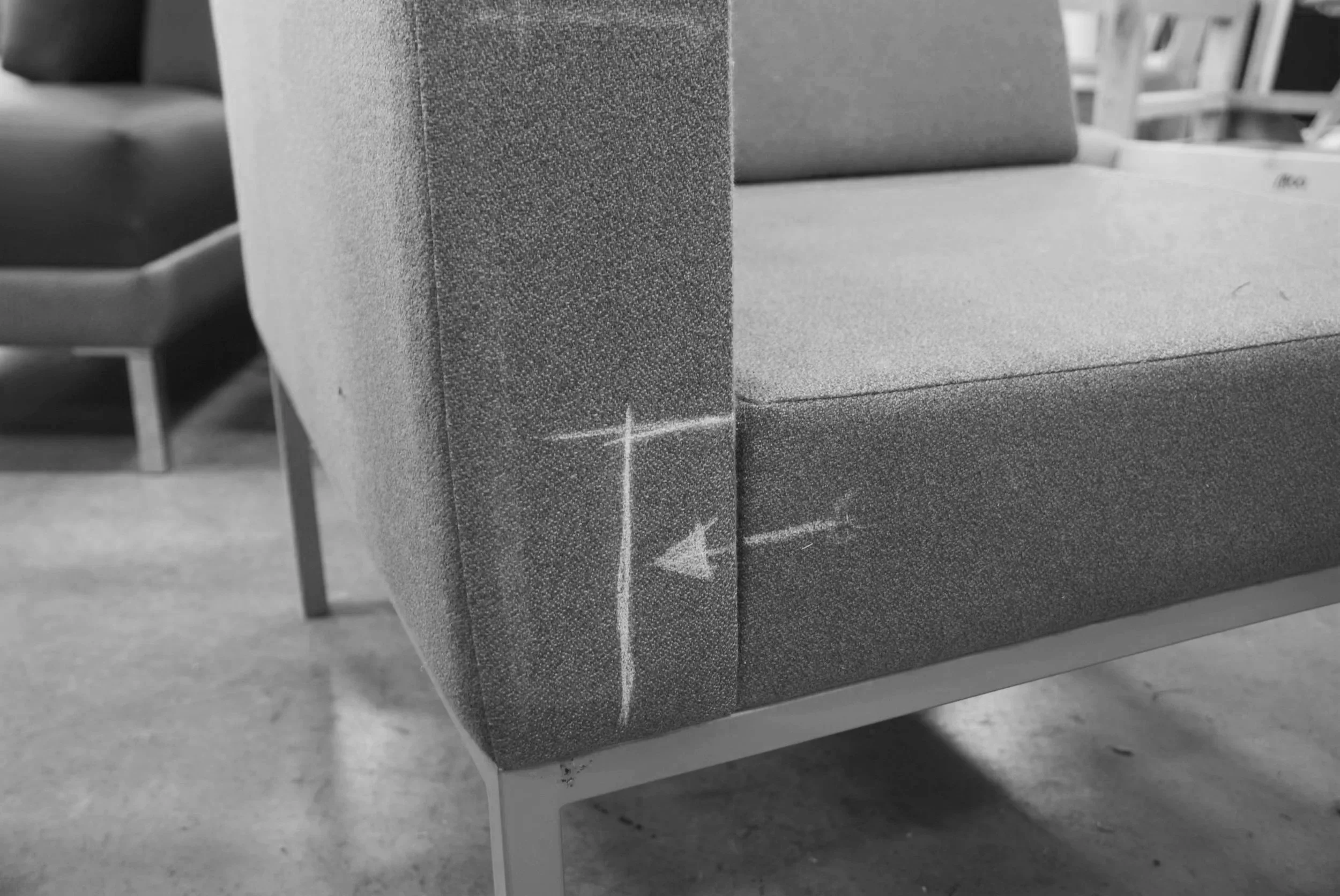
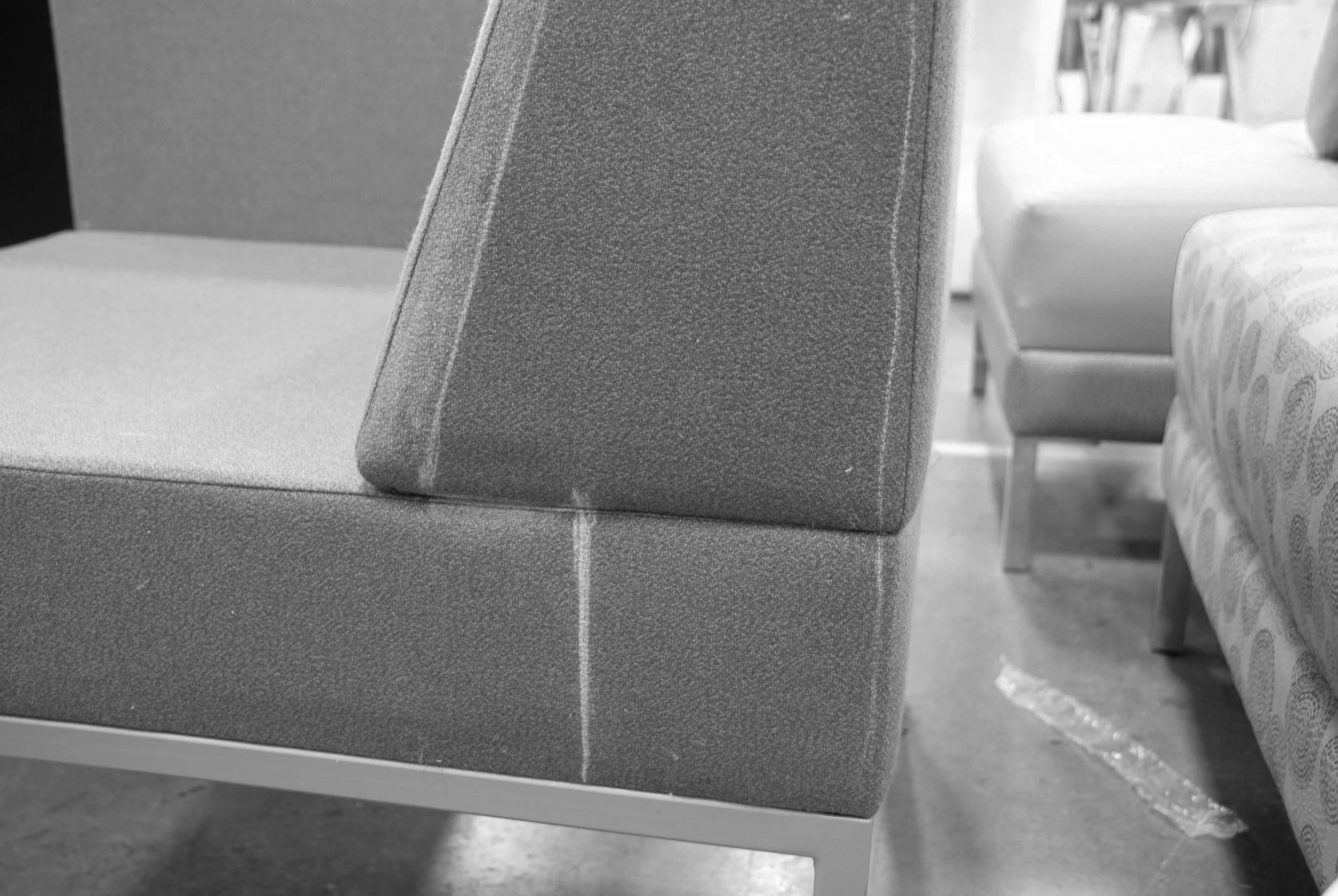
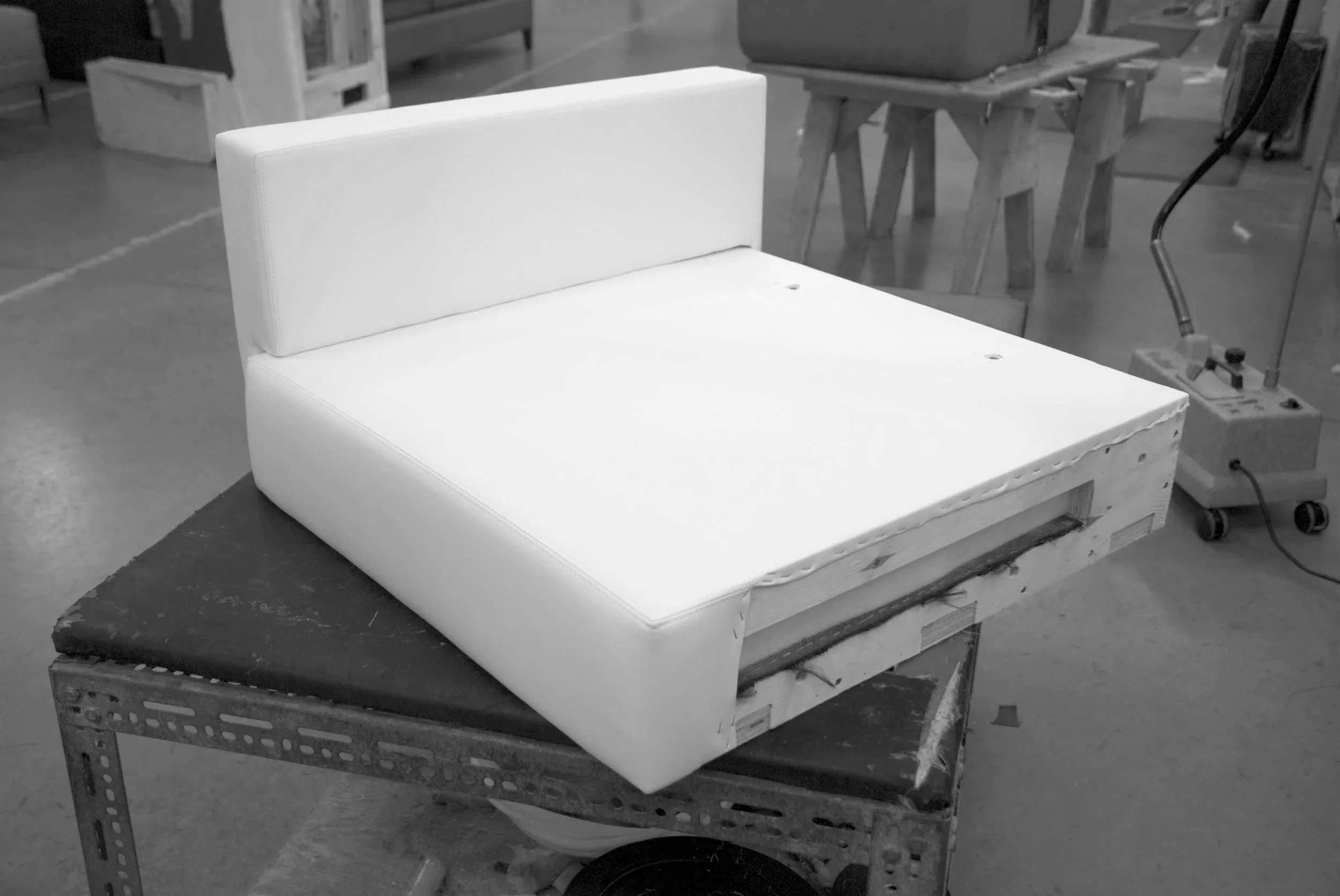
After many intial prototypes, it was discovered that dirt and debris easily accumulate in between the crevices where the seat met the arm and back components. To counteract this, a simple lap joint connection was established to minimize this occurance, while also creating a unique aesthetic detail.
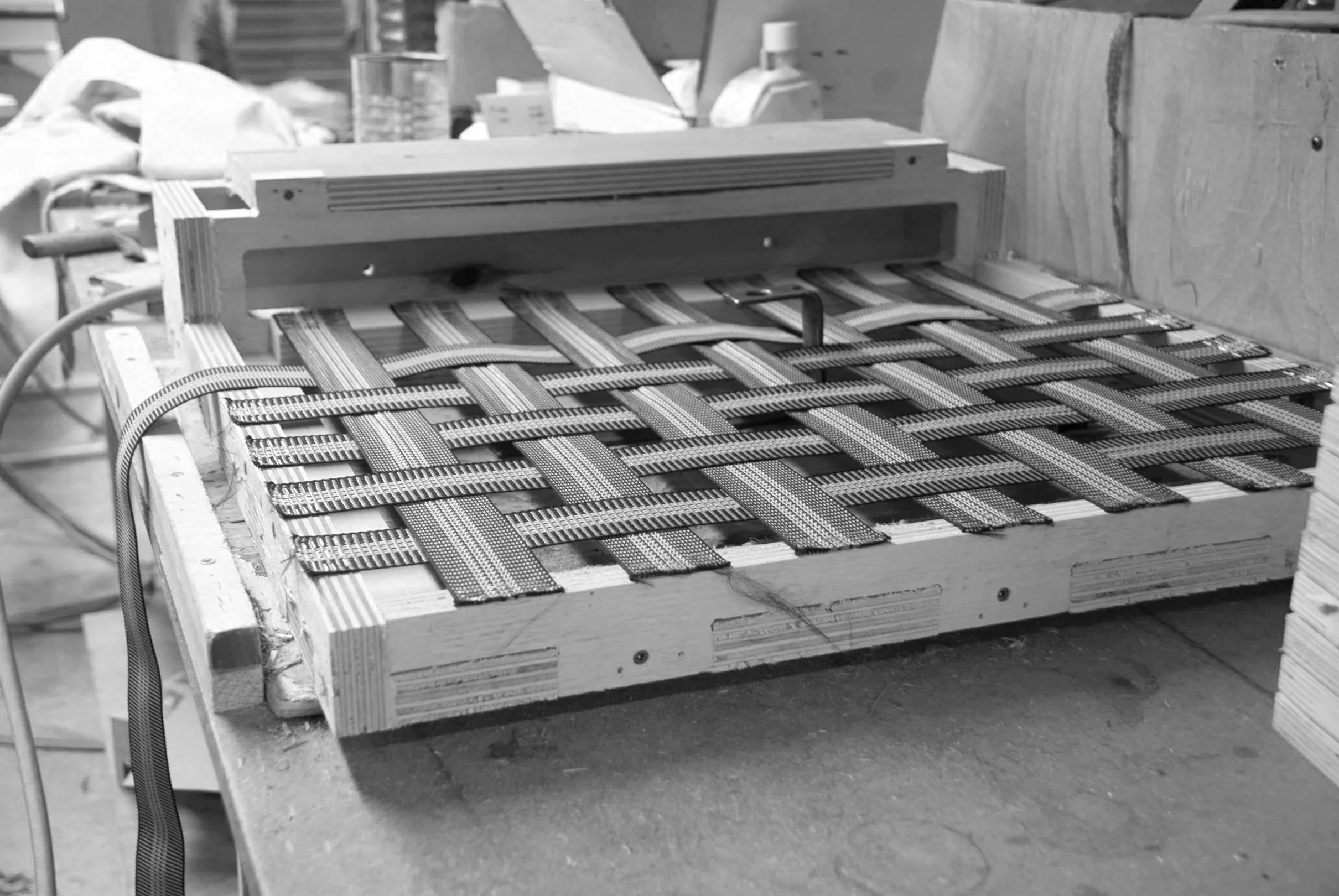
Additionally, seating components were designed so many different upholsterers of different skill levels could participate in the production process. Wood frame elements were designed to be used across multiples SKUS, allowing a small kit of parts to be managed on an inventory level.