Bridges 2
Global, 2013
Design for Manufacture, Product Management
Overview
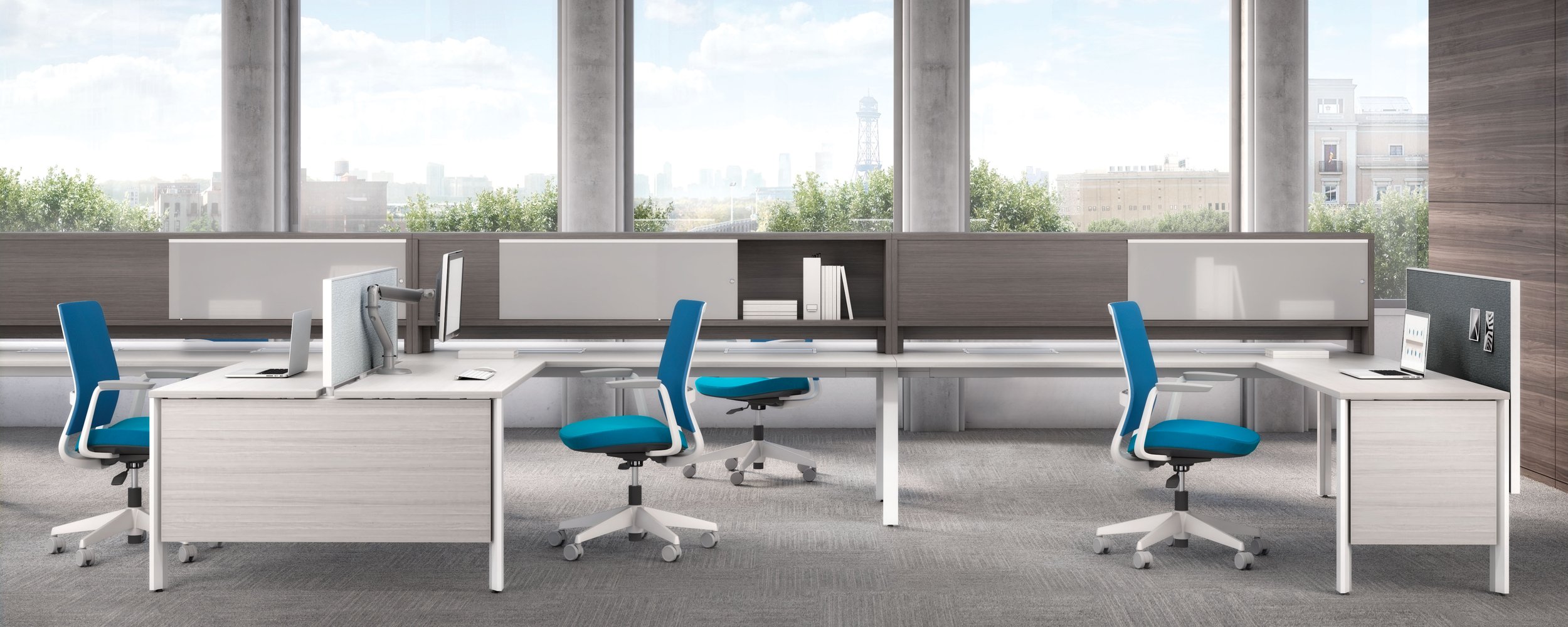
Bridges 2 is a collaborative benching system designed and developed for Global Furniture Group. The system is carefully curated to support the needs of the contemporary workspace, from the open plan, to team rooms, to focused workspaces and anywhere in between. Additionally, the system was designed to connect to existing freestanding panel systems, further extending the capability and applications of the product line within the Global porfolio.

A Modular Kit of Parts


At its core, Bridges 2 focuses on linear, back to back table assemblies, including storage solutions, glass and laminate partitions, out-of-sight wire management and easy expansion from single to multi-person stations. All off these elements can be combined and layered in infinite configurations on day 1 or day 2 install.
Systems Logic

Since the product line require multiple components working in multiple configurations, datum lines were established to ensure eachfurniture piece worked in an holisitic manner.
Space Divison
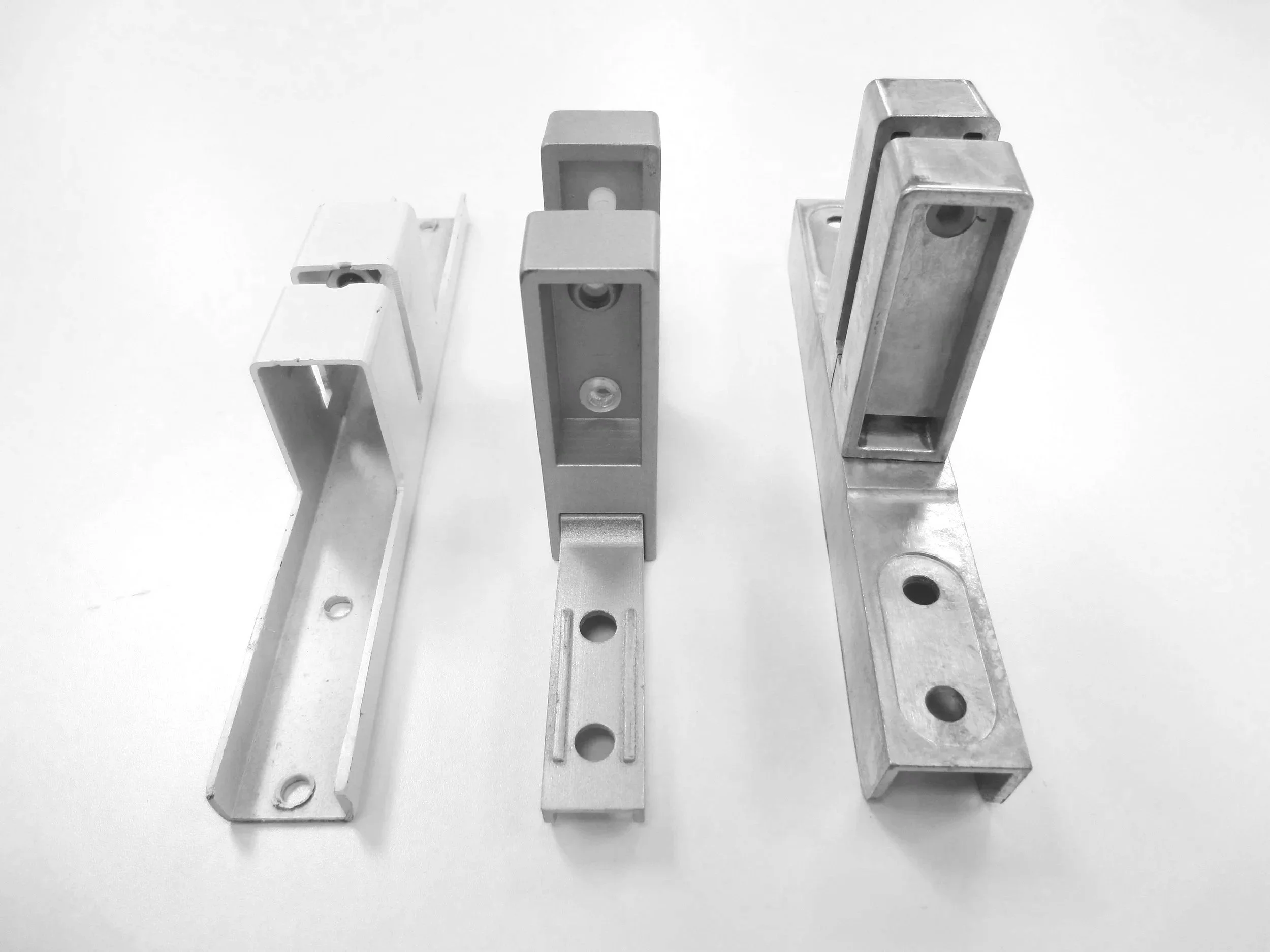
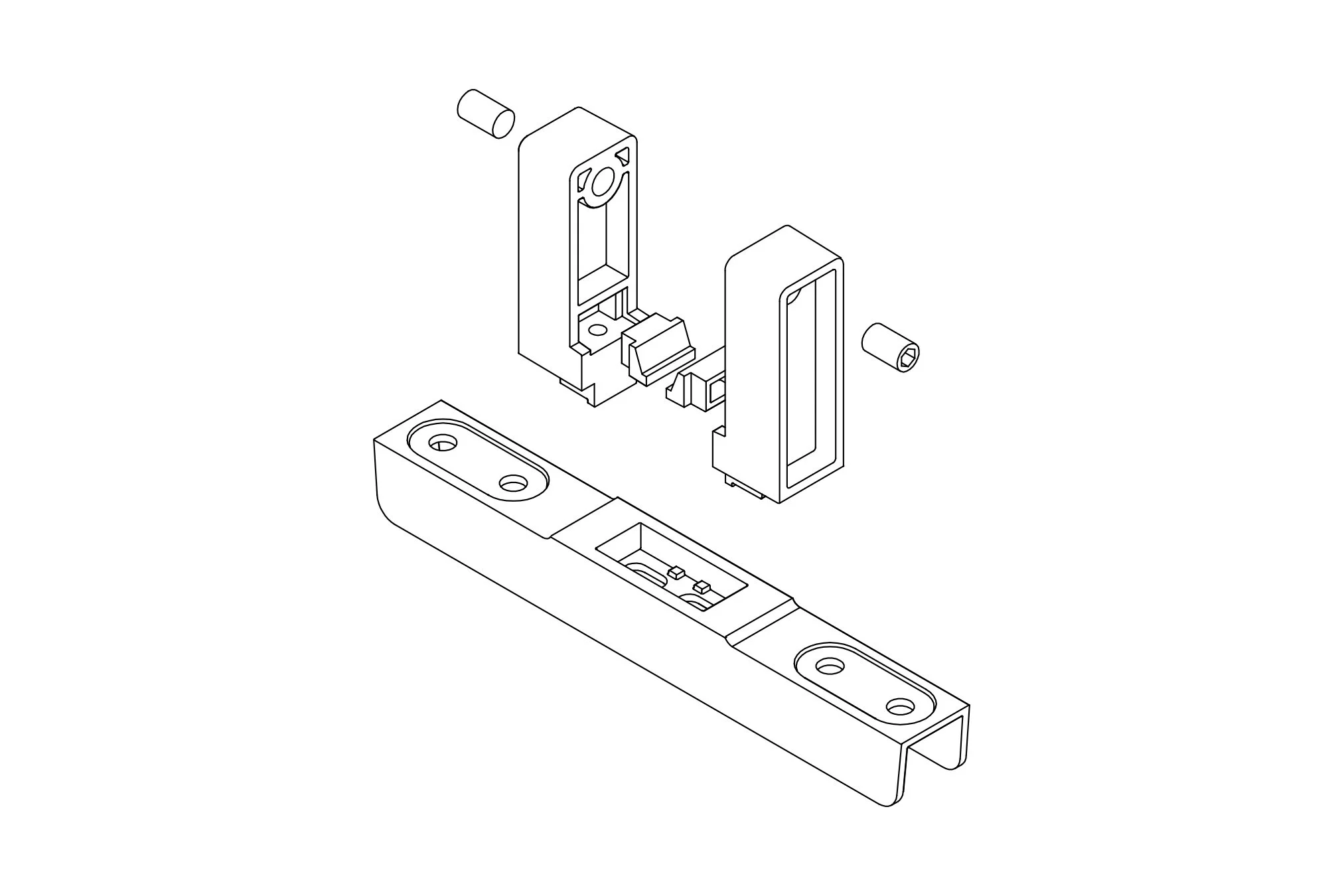
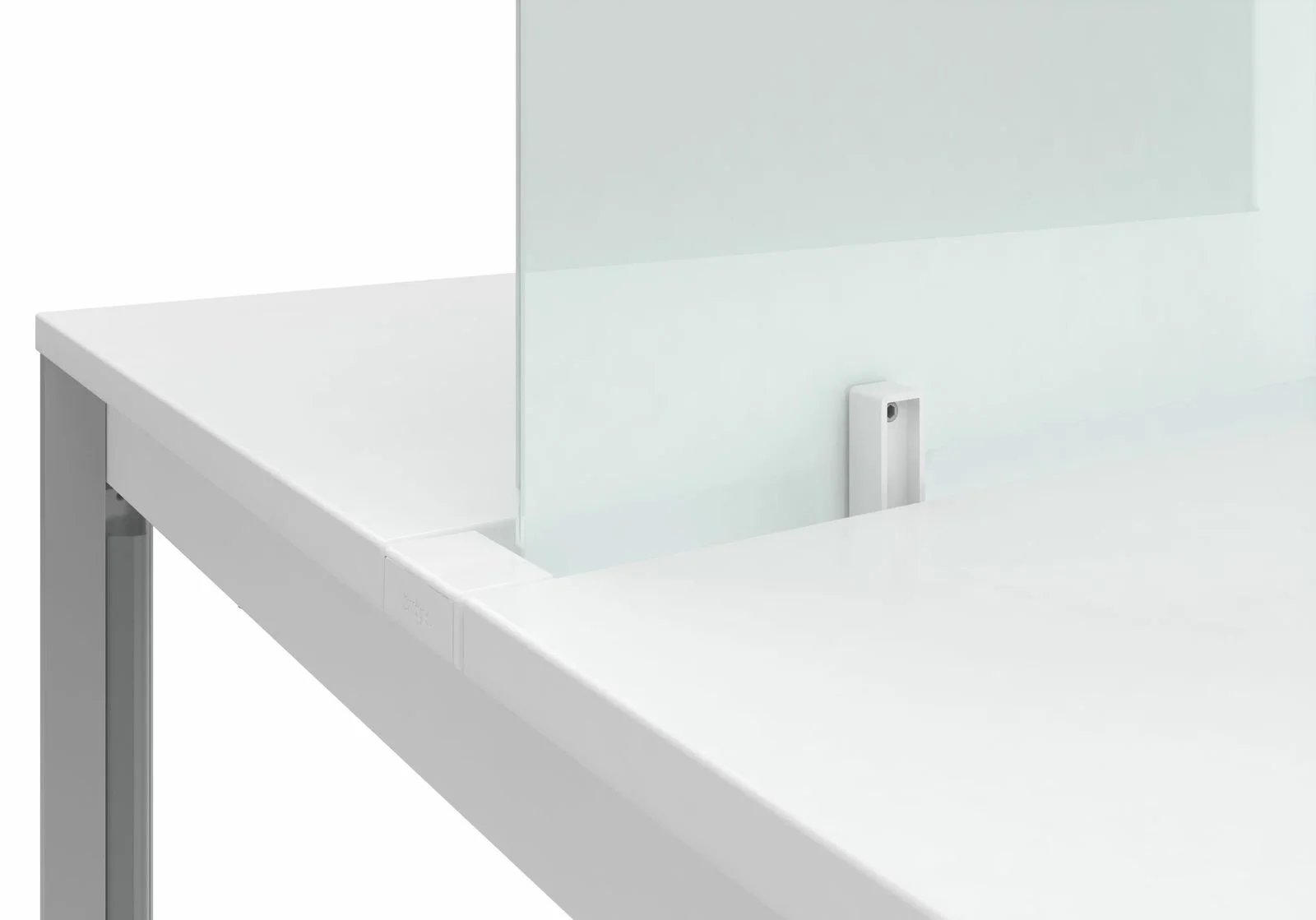
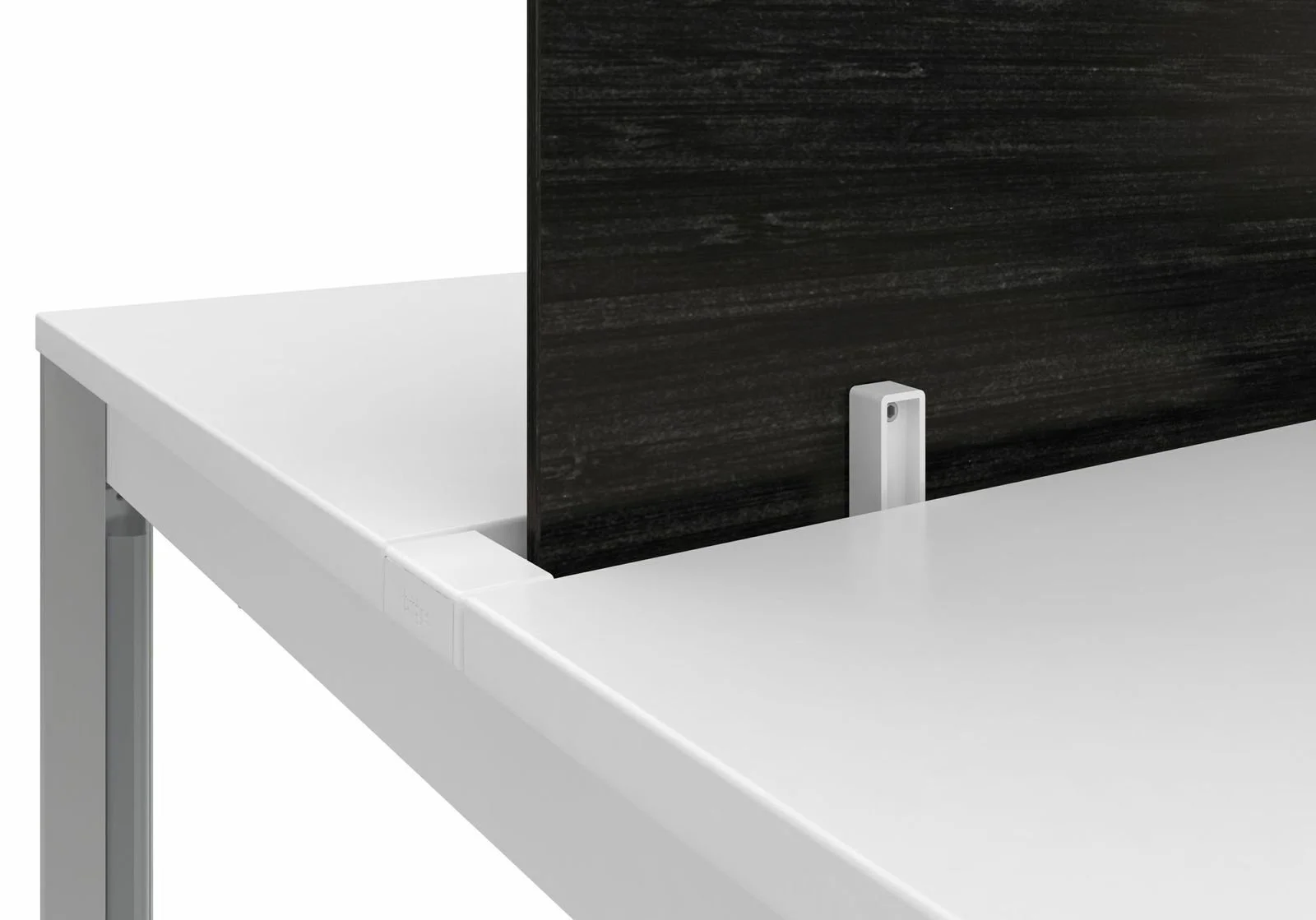
The benching line was sensitive to ensuring a certain amount of privacy was considered for each user. Central dividing partitions were developed, utilizing a unique bracket mount that could accomodate different materials such as glass and laminate.
Power & Cable Management
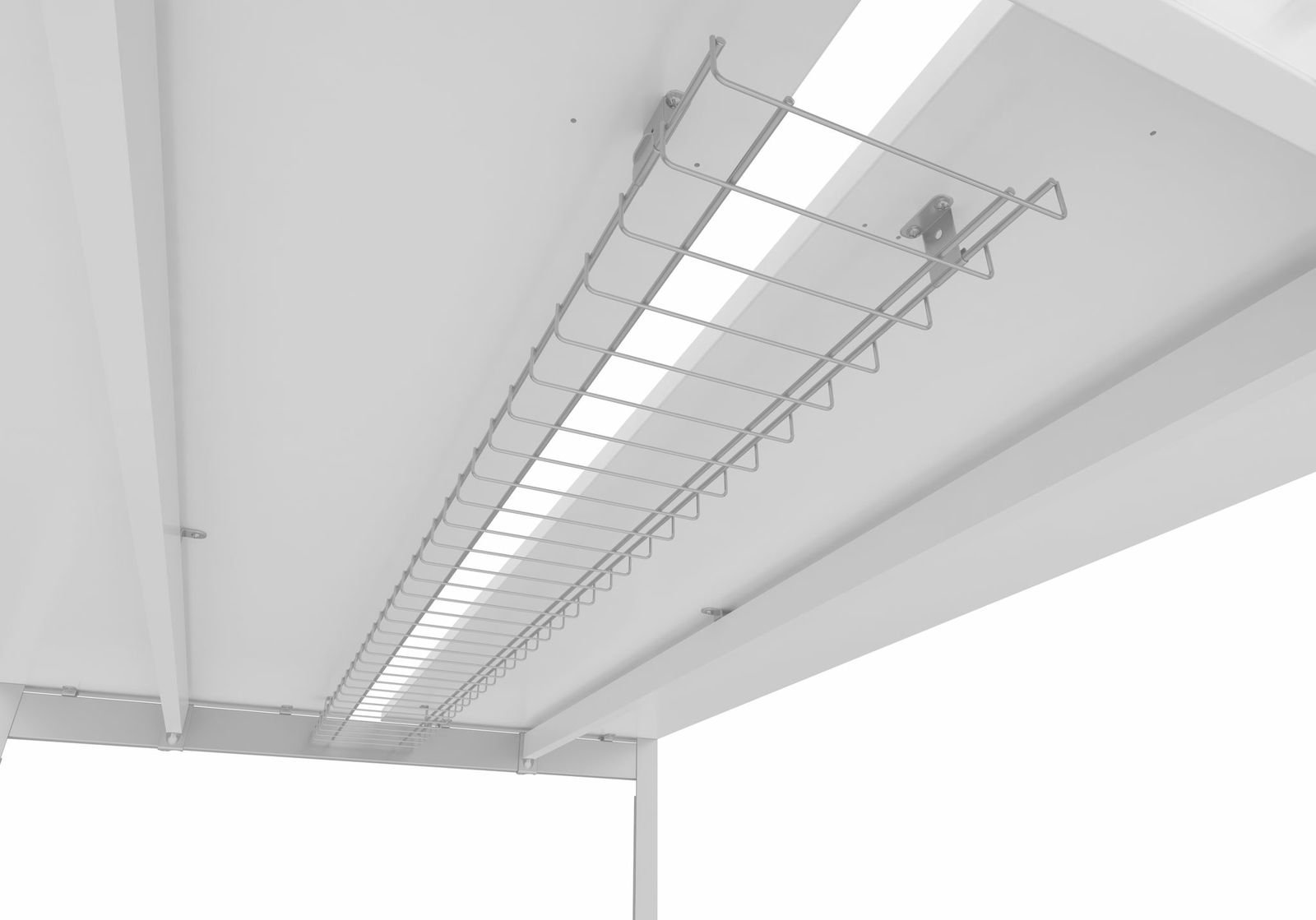
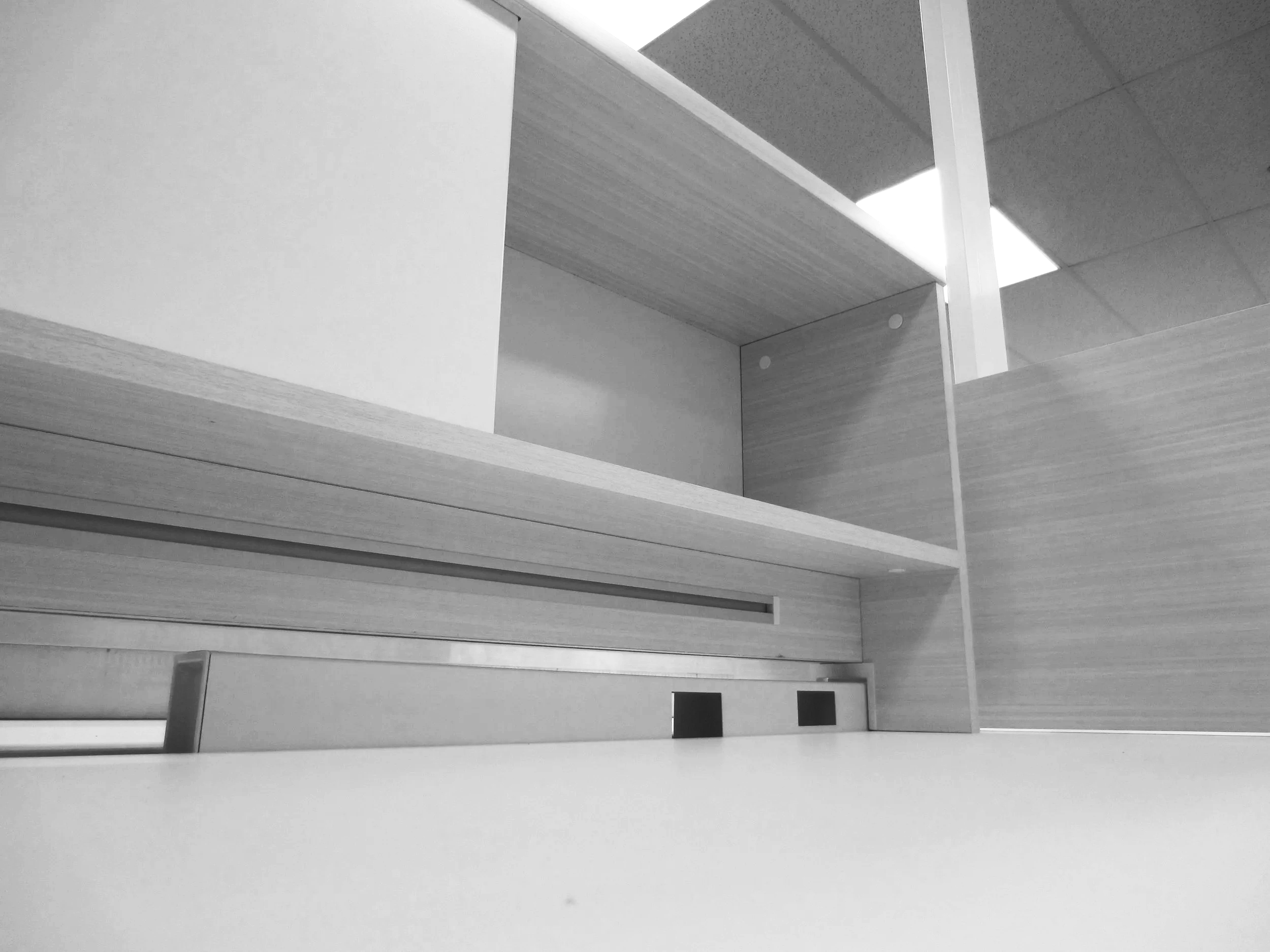
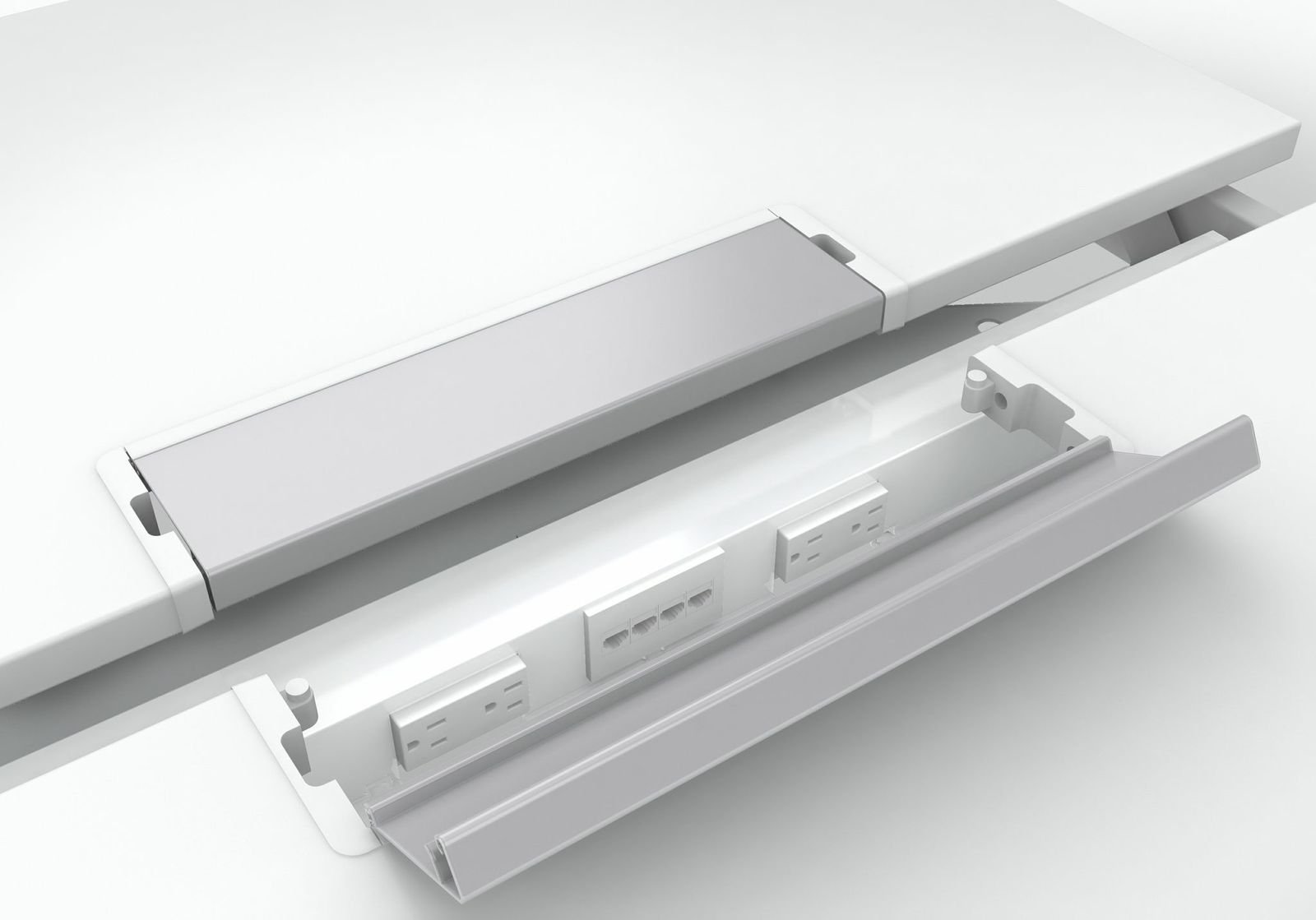
Power access and cable management was central to the project and to different end user scenarios. Two worksurface electrical module solutions were developed, one below worksurface and one above worksurface. The below worksurface solution features a proprietary hinging aluminum door to access a discrete hidden module. Alternatively, above worksurface electrics provides quick and convenient access for temporary guests. Both solutions work in tandem with a cable wirebasket that runs below the length of the desks for easy access and management.
Prototypes & Mockups
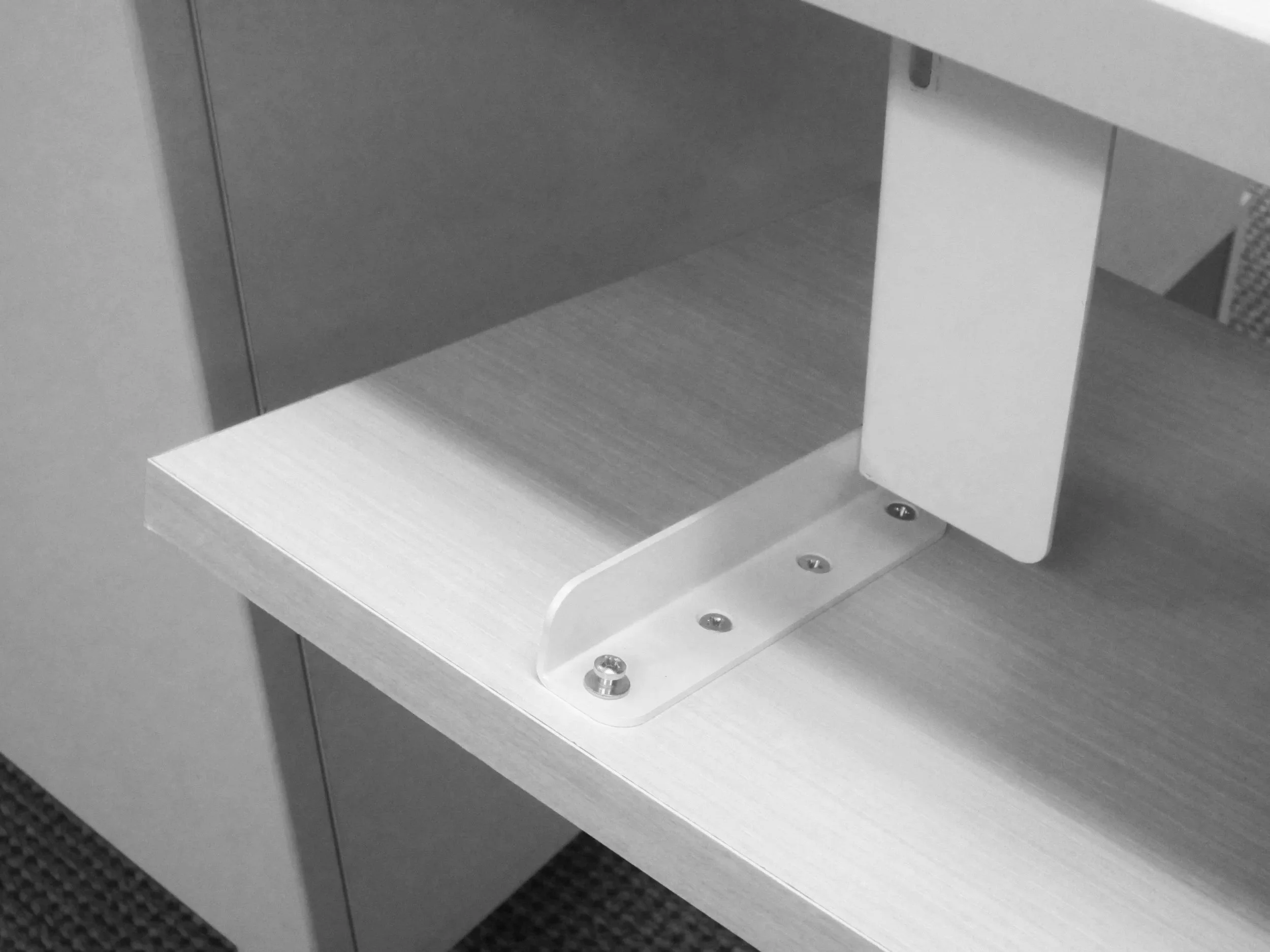
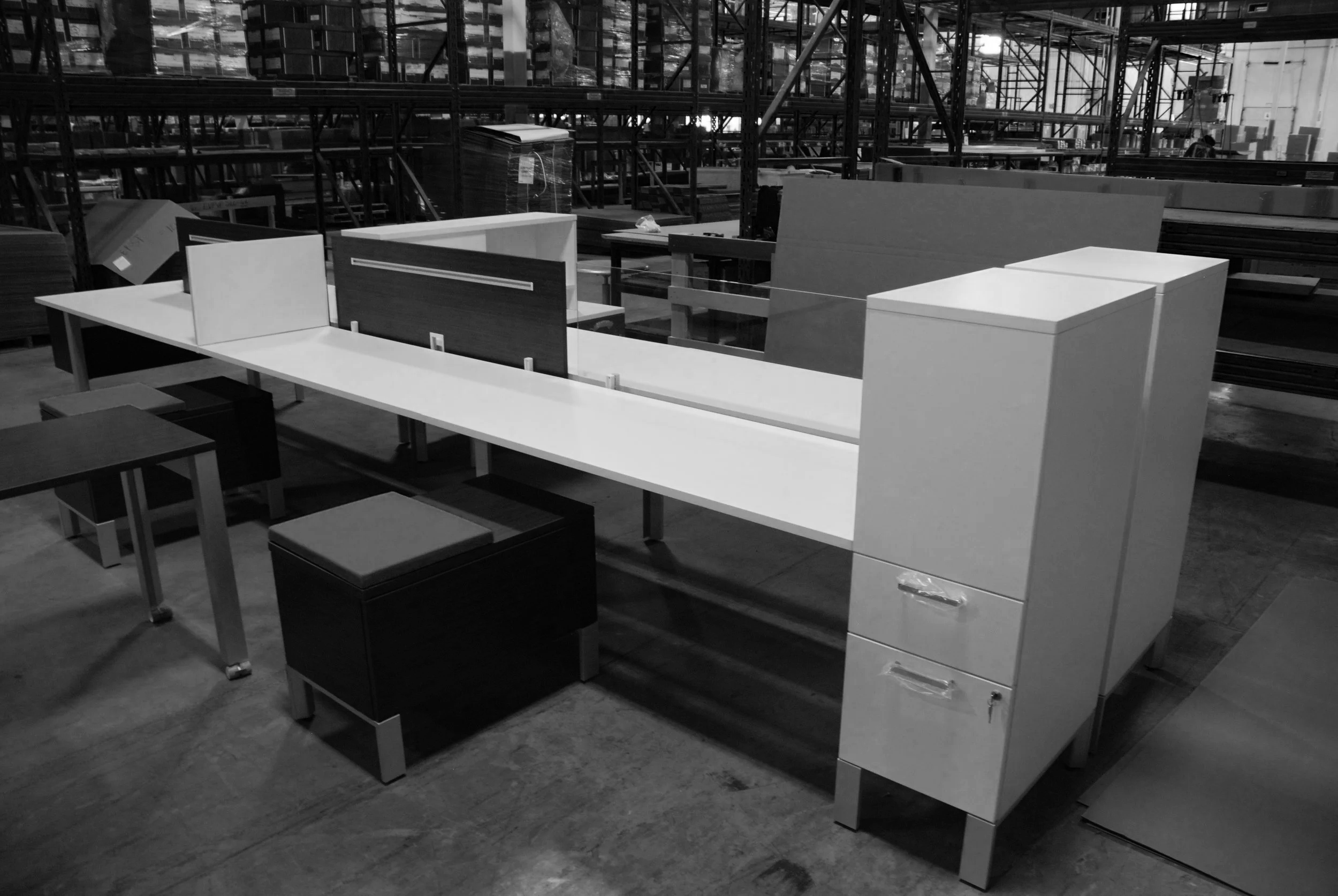
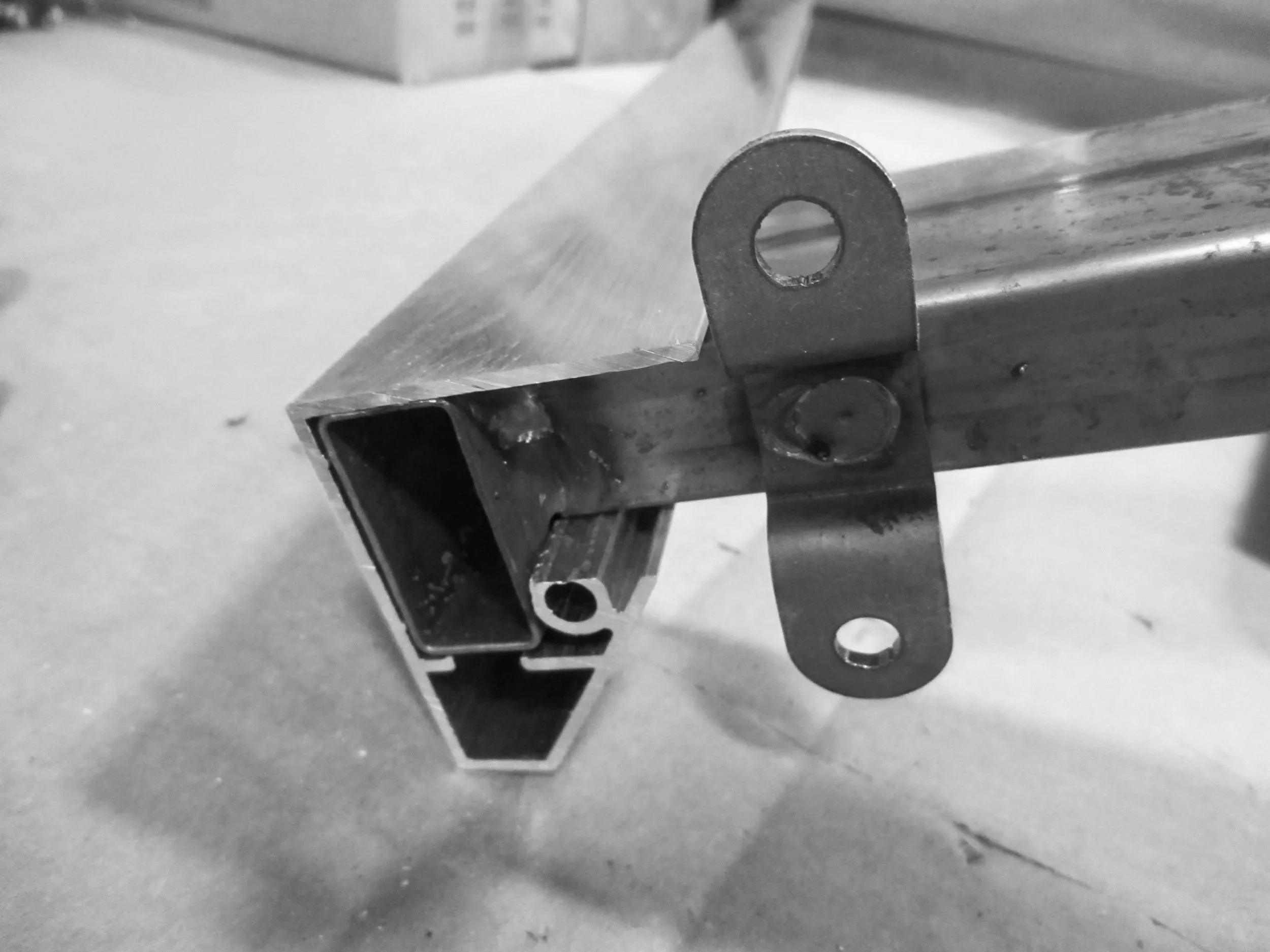
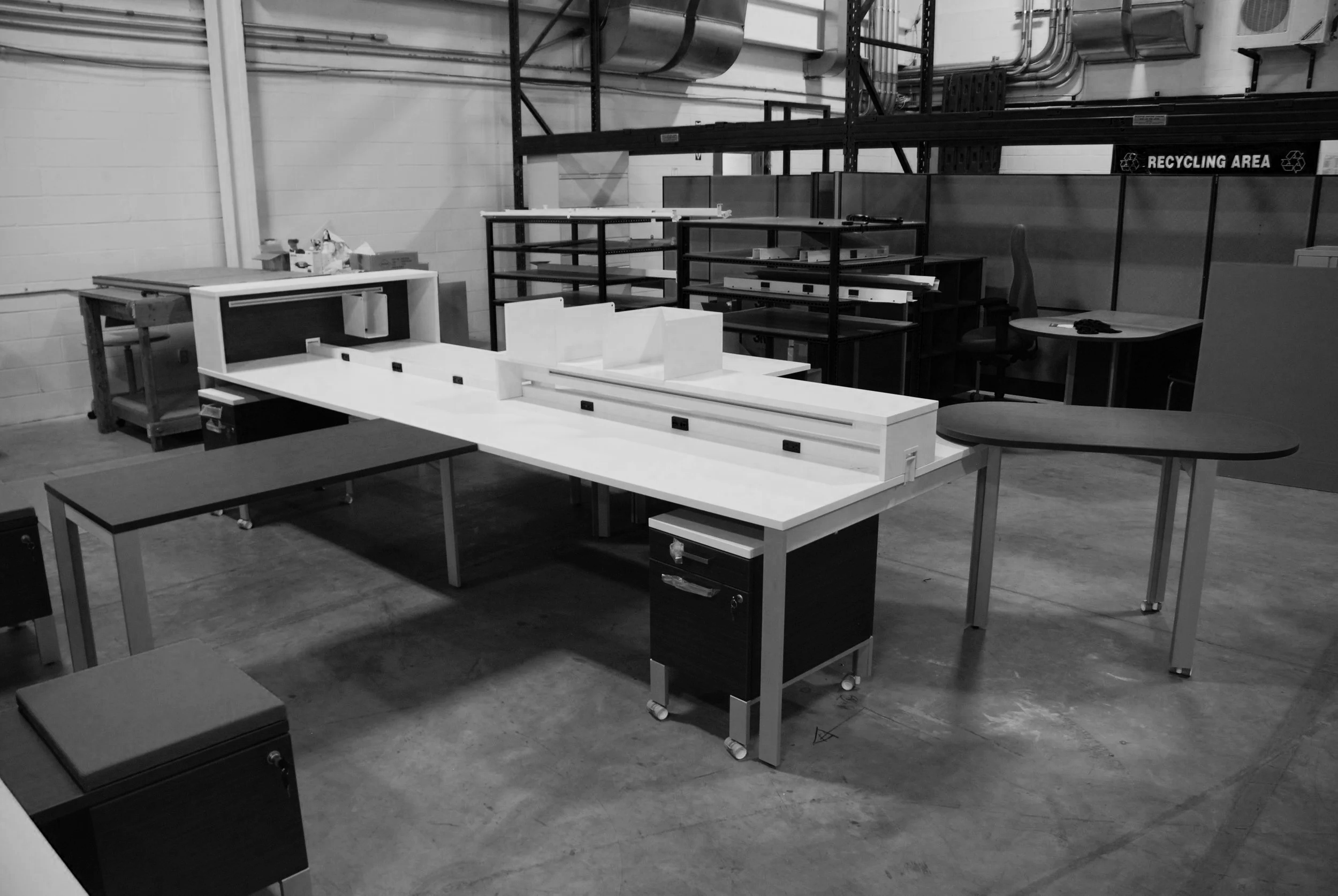
Full scale prototypes and multiple configurations were built to validate overall system logic. Many different processes were employed throughout the development phases, including 3D printing, metal fabrication, wood CNC fabrication, aluminum extrusion tooling, as well as die casting and injection molding.